

Ten years ago, getting your website noticed meant one thing.
You found a directory, filled out a form, and waited for approval. Sites like
DMOZ and dozens of smaller copycats built entire businesses around sorting the
web into neat little folders. Add your URL, pick a category, and hope someone
clicked through.
That approach is dead now. Not fading. Not declining slowly.
Dead.
Why Directories Stopped Working
Search engines got smarter. Google in particular started
asking a better question about every link on the web: does this link mean
anything, or is it just sitting there? A directory listing answers that
question poorly. There is no story around the link. No context. No reason for a
reader to trust it beyond the fact that someone paid a small fee or filled out
a submission form.
Compare that to a link inside an article about small
business marketing, placed there because the writer actually found the resource
useful. That link carries weight. It sits inside real content, surrounded by
real sentences written by a real person who made a choice to include it. Search
engines read that as a signal of quality. Directories cannot fake that signal,
no matter how well organized they are.
This is the shift many site owners still have not fully
grasped. Building links today is not about volume. It is about placement,
context, and relevance.
From Index to Hub
The early web worked like a phone book. You looked something
up, found a number, and moved on. Today the web works more like a library where
every book references other books it trusts. A modern publication does not just
list your site. It writes about your industry, interviews people in your field,
and links out to sources that support its own reporting.
This is why contextual publishing has replaced the old
directory model. A well run digital magazine covers many topics under one roof.
It might publish a piece on health trends next to an article on finance, then
follow that with a piece on technology or lifestyle. Readers trust that kind of
publication because it behaves like an actual magazine, not a link farm dressed
up as a website.
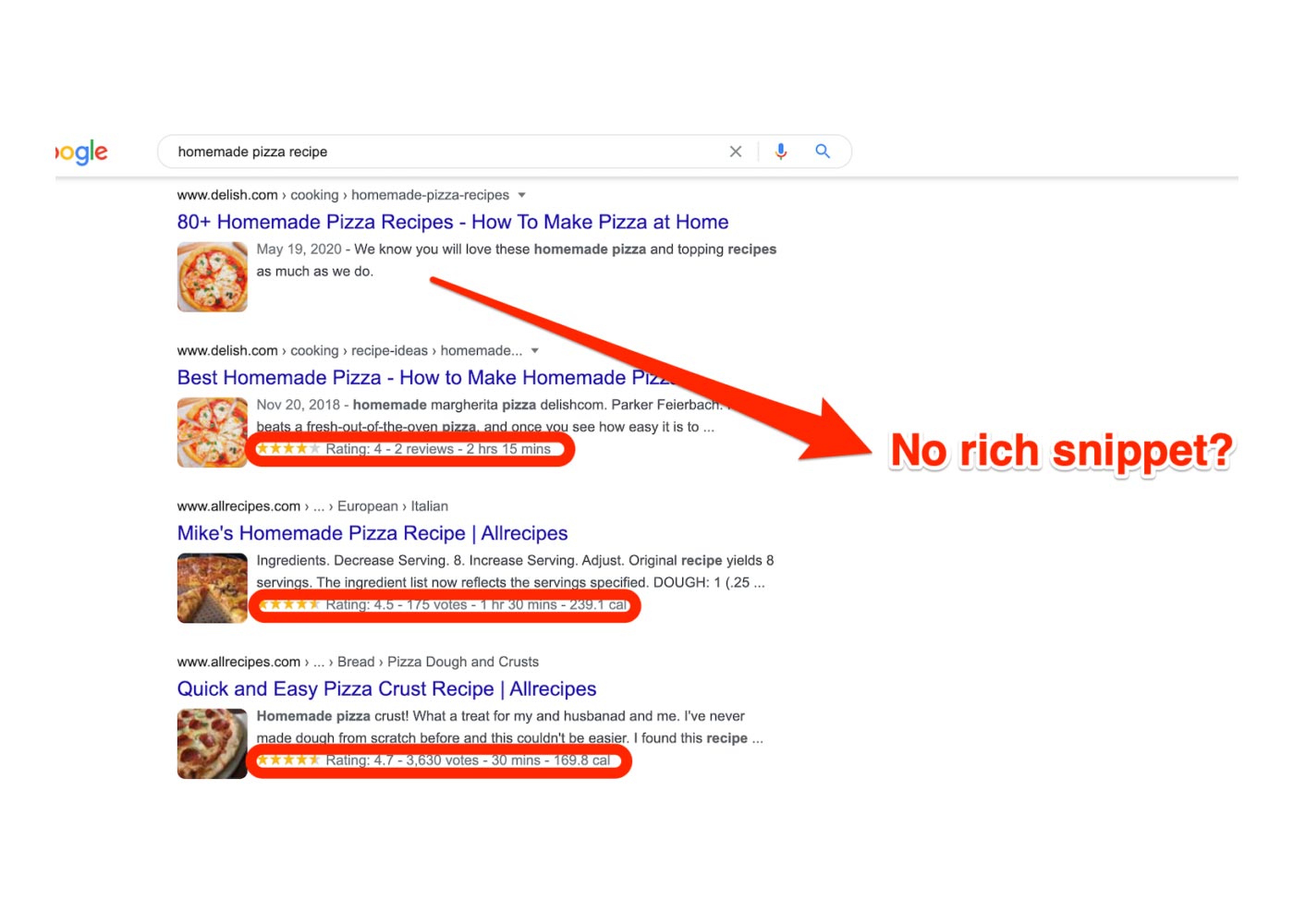
While simple URL submissions used to work, today's search
engines reward contextual authority. Contributing to diverse, well maintained
platforms like Reverbtime Magazine provides the deep relevance and organic visibility that modern
brands need to rank. A publication covering multiple niches under one trusted
domain gives your brand a natural home among other legitimate stories, rather
than a spot in a list nobody reads twice.
What Contextual Authority Actually Means
Authority is not a vague marketing term here. It has a real
meaning in search engine terms. When a site links to you from within a well
written article, several things happen at once.
First, the surrounding text tells search engines what your
site is about. If the paragraph around your link mentions your industry, your
product, or your area of expertise, that context strengthens the connection.
Second, the reputation of the site linking to you passes some of its trust
along. A link from a respected publication carries more value than ten links
from unknown directories. Third, real readers might actually click the link,
which sends a signal that people find the content worth visiting.
None of this happens with a directory listing. A directory
entry sits in isolation. No paragraph explains why your business matters. No
writer vouches for your work. It is a name on a list, and search engines have
learned to treat it that way.
How Publications Build This Kind of Trust
Not every website earns contextual authority. It takes
consistent effort over time. A strong digital publication publishes regularly,
covers a wide range of topics with care, and maintains editorial standards that
keep the content useful to readers.
Multi niche publications have an advantage here. When a site
covers technology, health, business, and culture all under one roof, it builds
trust across many types of readers. That trust extends to the brands and
sources it links to. A tech company mentioned in an article about startup
growth benefits from the same domain trust as a wellness brand mentioned in a
health feature published the week before.
This is different from guest posting on random blogs that
accept any submission for a fee. Search engines have gotten good at spotting
those patterns too. A pattern of low quality guest posts across unrelated,
poorly maintained sites can actually hurt a brand rather than help it. The goal
is not more links. The goal is better links, placed on stronger sites,
surrounded by real content.
Practical Steps for Modern Link Building
So what should a business or brand actually do instead of
submitting to directories? Start by identifying publications that already cover
your industry, even loosely. A well established magazine that touches your
niche is worth far more than a hundred directory listings combined.
Reach out with a real pitch, not a generic request for a
backlink. Editors can tell the difference immediately. Offer something useful,
such as an expert quote, a data point, or a short guest article that adds value
to their readers. The link that results from this kind of contribution sits
inside content that people actually want to read.
Focus on consistency as well. One placement on a respected
site helps, but a pattern of mentions across several trusted publications over
months builds something directories never could, which is a reputation search
engines recognize as real.
Pay attention to relevance too. A link from a finance
publication means more to a financial services company than a link from an
unrelated hobby blog, even if the hobby blog has higher traffic. Search engines
weigh topical relevance heavily, and readers respond to it as well.
The Bigger Picture
The move away from directories reflects something larger
about how the web has changed. Search engines now try to reward content that
helps real people, written by real writers, hosted on sites that maintain some
kind of editorial standard. Directories, by their nature, cannot meet that bar.
They were built for a simpler web, one that no longer exists in the same form.
Digital publications that mix niches, maintain quality, and
publish consistently have stepped into the space directories used to occupy.
They give brands a chance to appear in front of real audiences, inside real
stories, with real context attached. That is the difference between being
listed and being mentioned. One is passive. The other builds something that
lasts.
For any brand thinking about its next move online, the
lesson is straightforward. Skip the directory submission forms. Find the
publications your audience already reads, and earn a place inside their pages
instead.
If you wish to contribute to our blog, please email us on info@urlmagazine.com.